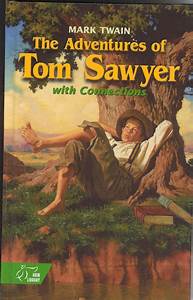
Book 1 The Adventures of Tom Sawyer
Part 1:
Twain, M., Fishkin, S. F., Doctorow, E. L., & Stone, A. E. (1997). The adventures of Tom Sawyer (1876). Oxford University Press.
Fiction – Grade 6-9
Part Two:
The Adventures of Tom Sawyer was originally written in 1876, so there is some outdated and unethical situations; such as slaves. This book could be explained to students as a way life once was, but not appropriate today. I feel that it is important for children to know about the past so that they can learn from it. Explaining why these situations are no longer acceptable can make a valuable lesson.
Part Three:
The Book is well written, especially for it’s time. It is a little harder to read and takes more thought and imagination due to the outdated way of speaking, but a great story nonetheless. The Plot was about a boy that got into trouble all of the time, and ends up witnessing a murder. Throughout the story, he matures and ends up being the “hero” of the story. The author gives detailed description and paints a picture for the imagination and helps the reader understand the main character, Tom’s, point of view. The author writes in a way that hooks the reader in, and as the reader, I found myself feeling sorry for Tom, even when he was being troublesome.
Part 4:
After reading the first 2 chapters of The Adventures of Tom Sawyer, students will be able to identify the differences between the era this book was written compared to today, and spend 20 minutes discussing and writing down the following three questions within their table group .
Discussion Questions:
- How does the language of this book help create the setting?
- When Tom tricks the others into white washing the fence, he gets payment in return. What items were they and would you be excited for these items today? Why do you think it was so different than compared to now?
- How does this scene set the tone for Tom’s personality?
Activity:
CCSS.ELA-LITERACY.RL.6.5
Analyze how a particular sentence, chapter, scene, or stanza fits into the overall structure of a text and contributes to the development of the theme, setting, or plot.
-Students are to get into groups of 4 or 5 and re-create the white washing scene. One person is to play Tom, and the others try to offer what they have from their desks to get the privilege of white washing the fence. Everyone gets a chance to play Tom for 3 minutes before rolls switch. After, we will discuss as a class how this scene sets the tone for Tom’s personality. What does it tell you about Tom?
https://www.lessonplanet.com/teachers/the-adventures-of-tom-sawyer-photostory
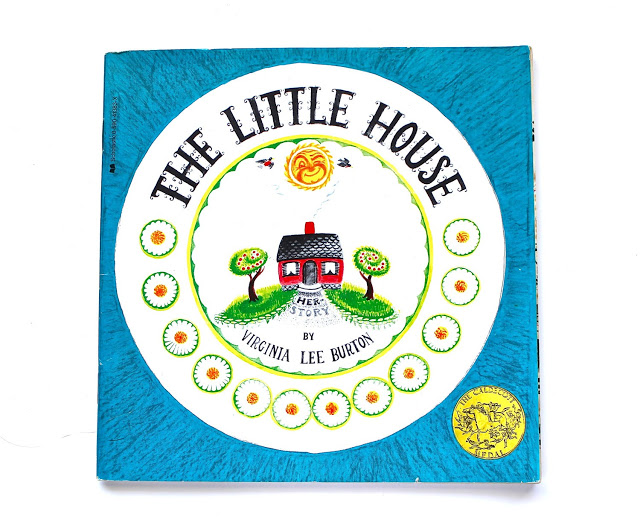
The Little House
PART ONE
Burton, V. L. (1969). The little house. Houghton Mifflin.
Picture book for grades Pre-K-2
PART TWO
This book offers a cute story about a house that is built in the countryside, but gets built around. I love that the story was written from the house’s point of view. This made me, as the reader, more sympathetic to what the house was going through. My main takeaway was that the house stayed strong throughout the changes and madness around it, and got what it wanted in the end.
PART THREE
This picture book was a Caldecott award winner, and it is easy to see why. The illustrations are beautiful. Colorful, yet pleasing to the eye. WIth soft lines, and purposeful shapes, each image told the story and could easily stand alone without the text. The plot and setting were well illustrated and the text was wonderfully written. The reader can feel what the house is feeling and the author makes it so he reader will want to keep reading to see what happens.
PART FOUR
CCS
RL.1.9 Compare and contrast the adventures and experiences of characters in
stories.
Objective
After reading The Little House by Virginia Lee, students will be able to identify at least 2 differences for each setting, and 1 similarities between the countryside and the city settings.
Discussion Questions
What are the main differences between the countryside and the city in this story?
Does the house like being in the countryside or the busy city? How do you know this?
Activity
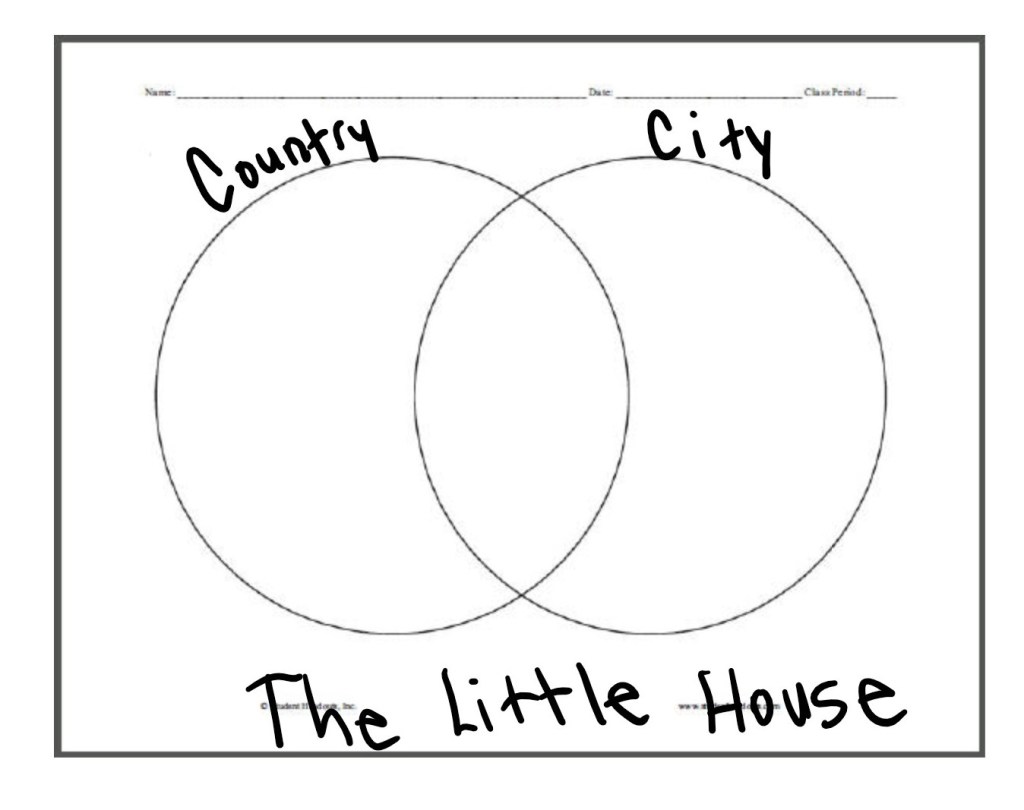
Usine a venn diagram, students will write at least two differences they see in each setting, and at least one similarity they see between the two settings.
https://www.biglearners.com/worksheets/grade-1/english/reading-prose-poetry/compare-contrast
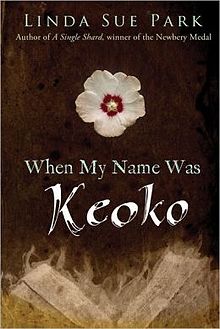
When My Name Was Keoko
PART ONE
Park, L. S. (2002). When my name was Keoko. Clarion Books.
When My Name Was Keoko is a historical fictional story for grades 6-8.
PART TWO
This book was culturally diverse based in Korea during World War II. Korea was taken over by the Japanese and families were to change their names to Japanese names, and only learn about, speak of, and display Japanese culture. The Uncle in this story rebelled against this loudly, while others in the family did so more secterectivly. I could not imagine being forced to forget who I was and where I came from to conform to someone else’s culture on your own land. This story show the strength of a family and determination.
PART THREE
The setting of this book affects the plot and character. The characters are forced to conform with the Japanese ways. There is authenticity as it depicts the times the story was in correctly. The book effectively gives the idea of a culturally diverse world.
PART FOUR
CCSS.ELA-LITERACY.RL.6.2
Determine a theme or central idea of a text and how it is conveyed through particular details; provide a summary of the text distinct from personal opinions or judgments.
After reading, When My Name Was Keoko, students will be able to identify the central idea of the story and how the text conveys it and be able to have a productive discussion about their views with their peers within a 20 minute timeframe.
Discussion Questions
If you were in Keoko’s family, would you actively rebel or would you conform and why?
What are some main key points in the story that might lead you to think Abuji is quietly rebeling?
Activity
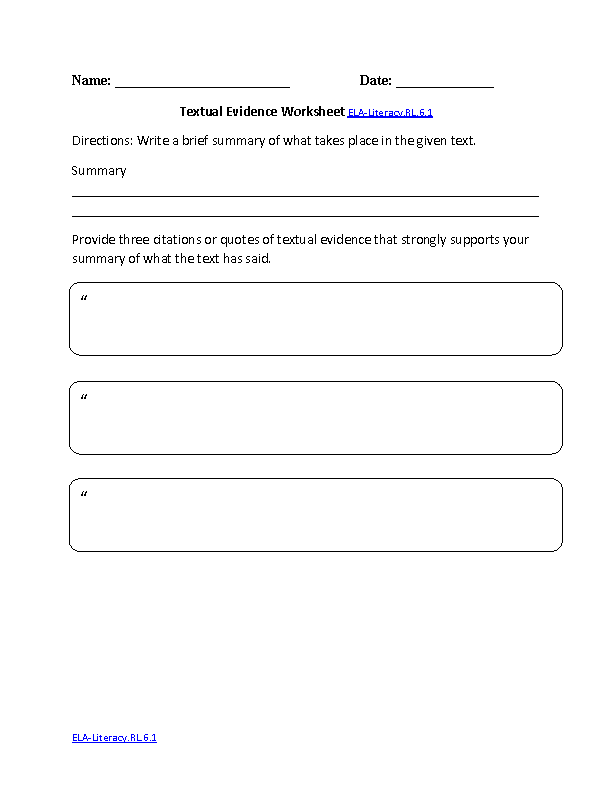
Using the textual evidence worksheet, students are to write a summary of what takes place in the story provide three citations or quotes as evidence to support their summary.
The Friends
Part 1
Yumoto, K. (2001). The friends. Shinchōsha.
Fiction- Grades 6-8
Part 2
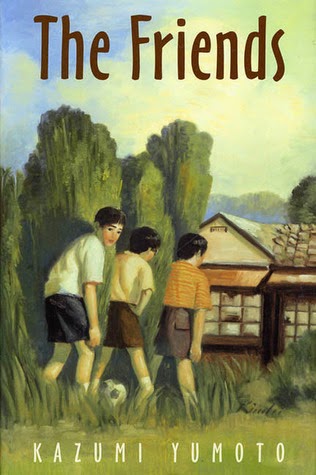
The Friends is an endearing book about three boys that get curious about death and end up creating a new friendship. At first watching an elderly man that is on the brink of death, they hoped to see what death was like. The old man saw them and had them help around his house. This started a great friendship. This made me think of my father. As an older man himself and disabled, he stays home a lot and does not have much interaction outside of family. It hit home to think these boys were so sweet and gave this man their time, gives me hope and motivation to make sure my father always has a friend or family there for him to just listen to him.
Part 3
The main theme of this story is death, but it also shows a theme of friendship. The setting in Japan and a soft writing style as the story is seen through one of the boys’, Kiyama’s, eyes. This made the story more believable as the story was told from his perspective. Watching the friendship unfold was sweet and wonderful. A well written book that hooks you in almost immediately.
Part 4
CCSS.ELA-LITERACY.W.6.3.D
Use precise words and phrases, relevant descriptive details, and sensory language to convey experiences and events.
After reading, The Friends, students will reflect on times they were helpful or made a new friend, then pre-write some of those ideas.
Discussion Questions:
Have you ever assisted or had a conversation with someone much older than you?
If you could speak with a senior citizen, what would you ask them?
Activity:
Pen Pals! Students will write a letter to a senior citizen at a local assistive living home. In the letter, they will include a positive event in their life such as an accomplishment, a good deed, or more, using descriptive detail. Students will then ask the person they are writing two or three questions about their life.
https://www.scholastic.com/teachers/sponsored-content/USPS/writing-letters-to-a-pen-pal/
Bridge to Terabithia
Part One
Polette, N. (1995). Bridge to Terabithia. Book Lures, Inc.
Young Adult Fiction- Grades 4-8
Part Two
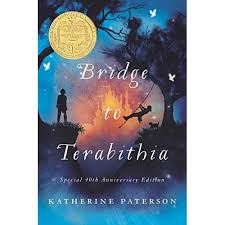
The Bridge to Terabithia is a great story about friendship between outsiders. The characters are both bullied, yet the new girl and Jess become great friends because of this. They create a magical world in the forest near their houses and they go there to escape their every day life. While reading the book, one could never predict what is going to happen and the book touches on death which can be a controversial subject. Unlike The Friends, this book’s take on death takes a little different approach. This makes it better for more mature student ages.
Part Three
This book is a wonderful story and the friendship and magical world created throughout it hooks the reader in. The setting is in the school the characters go to and the bullies they deal with. The other part of their setting is the hide-a-way they created in a forest behind their homes. The plot takes a twist at the end, but further concretes the bond the characters have and opens up new friendships in those that once were their nemesis. This book offers a magical experience from beginning to end, and the writing is so well done that readers can immerse themselves in the imaginary world of Terabithia.
Part Four
CCSS.ELA-LITERACY.W.4.4
Produce clear and coherent writing in which the development and organization are appropriate to task, purpose, and audience.
After reading Bridge to Terabithia, students will re-write the ending. Using a graphic organizer, students will organize a three paragraph ending and how the story might change if the ending changed.
Discussion Questions
If you had a made up land, what would you name it?
How do you think the bullies played apart in Terabithia?
Have you ever befriended a new student?
The Perks of Being a Wallflower
Part One
Chbosky, S. (1999). The perks of being a wallflower. Cornelsen.
Young Adult Fiction- High School Age Level
Part Two
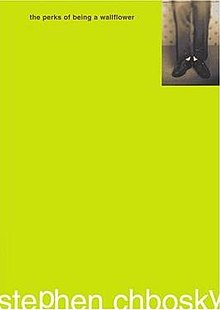
This book is about a boy in High School that is a “wallflower,” and likes to stay in the background. He received letters from his friend that committed suicide, and befriends another boy and his step-sister. Exploring with sexuality, Charlie (the main character), learns about himself. This story is relatable to those in High School. I myself was more of a wallflower my last two years of high school. My friends were older, just as Sam is older than Charlie, and they graduated before me. I just watched those around me without much interest to interact aside from a couple close friends.
Part Three
Perks of a Wallflower is set mostly in high school and events surrounding it. The plot is based around Charlie and reading letters from his friend that has passed away. The author writes on touchy subjects, such as sex, but paints an accurate picture of life in high school and the challenges that come along with it. The characters are relatable and there is a character for each stereotypical high school role. This book is well written, but definitely needs to be read at a mature High School level and not in elementary schools.
Part Four
CCSS.ELA-LITERACY.W.11-12.1
Write arguments to support claims in an analysis of substantive topics or texts, using valid reasoning and relevant and sufficient evidence.
After reading Perks of a Wallflower, student are to find a subject that is touched on in this book that they can relate too. Students will then write a one page argument on why this event is true or not true to real high school life along with supporting arguments and valid reasoning. Students will then have a respectful discussion with their peers regarding the subjects addressed.
Discussion Questions
If you have a friend dealing with hardships in life, how can you help them through?
Have you ever befriended an “outcast”? If so, what was your experience; positive or negative and why?
https://blog.prepscholar.com/argumentative-essay-examples
Amulet
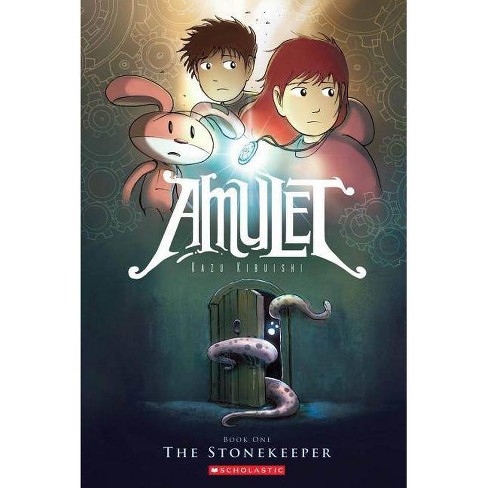
Part One
Kibuishi, K. (2009). Amulet. Graphix (Scholastic).
Adventure/Science Fiction: Graphic Novel Grade 4-8
Part Two
Amulet is an adventure story that starts when two kids lose their father to a tragic car accident. Their mom Karen, moves the family to an old family home that ends up being an adventure. Karen gets taken by a creature and the girl, Emily, finds an amulet. Emily and Nevin go on an adventure to find their mother joined by a robot named Miskit. This book is the start of a series, so it hooks readers in to want to read more and learn what happens with their mother; does she ever get caught? This would be a great read in a classroom and students could be prompted to predict what might happen next.
Part Three
The setting starts in an old home then leads into a fantasy world to find their long lost family member. With fantasy characters and a helpful robot, this book takes readers on an adventure. Upper grade students would enjoy this read as they escape real life and let their imaginations run wild.
Part Four
CCSS.ELA-LITERACY.W.5.3
Write narratives to develop real or imagined experiences or events using effective technique, descriptive details, and clear event sequences.
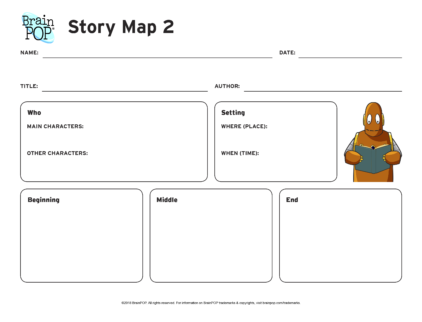
After reading Amulet, students will create their own fantasy story about what would happen if they found a magical amulet. They will write narratives using a story map and show the use of descriptive details and clear event sequences. Students will then create an illustration of their amulet and share it with the class.
Discussion Questions
What would your Amulet look like and why?
What would you name your sidekick if you had a robot like Miskit?
https://www.imagineforest.com/
https://www.abcya.com/games/storymaker
The Quest for the Tree Kangaroo
Part One
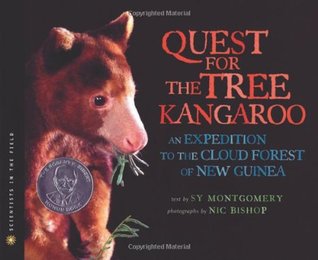
Montgomery, S., & Bishop, N. (2006). The Quest for the Tree Kangaroo . Houghton Mifflin.
Informational Text – Grades 5-7
Part Two
On a quest to find and study the Matschie’s tree kangaroo in the cloud forest of Papua New Guinea. The writer and photographer join scientists, and guides from the village of Yawan to document their journey. They find and capture tree kangaroos and put collars on them to help the scientists track their movements to learn more about the animals. Students can go on this journey with them, and stop at different parts of the book to discuss what they are reading about. This is a great way to integrate science with literature.
Part Three
The setting is in Papua New Guinea, and it is a real life journey that was taken and written about. Bishop took pictures of their journey to share along with the text. The style of informative text offers a great lesson on a less known tree kangaroo, and offers a real life experience that not everyone gets to experience. Experiencing the journey through other’s written words is one way students can learn and experience.
Part Four
CCSS.ELA-LITERACY.W.7.2
Write informative/explanatory texts to examine a topic and convey ideas, concepts, and information through the selection, organization, and analysis of relevant content.
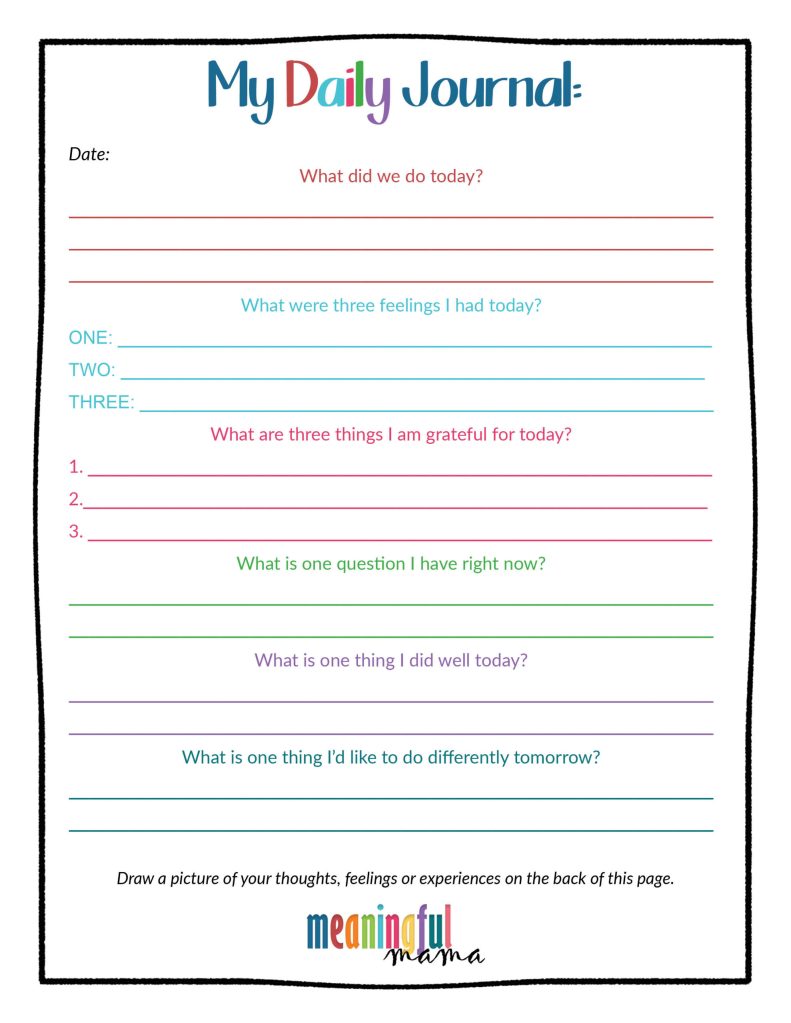
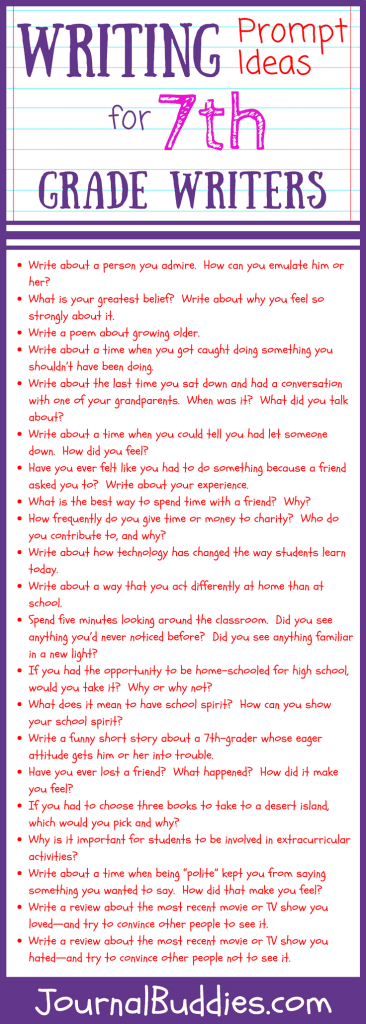
After reading The Quest for the Tree Kangaroo, students will create their own journal of their day. Students cans chose to write about themselves, a family member *(with permission), or an animal/pet. They will write notes and journal entries, as well as take pictures of events throughout 7 days. Students will then put it all together and write a one page story about their every day journey. Students will then write an analysis of their journal entries and what they discovered or learned by documenting events.
https://www.homeschooling-ideas.com/journaling-for-kids.html